 By Madhavan A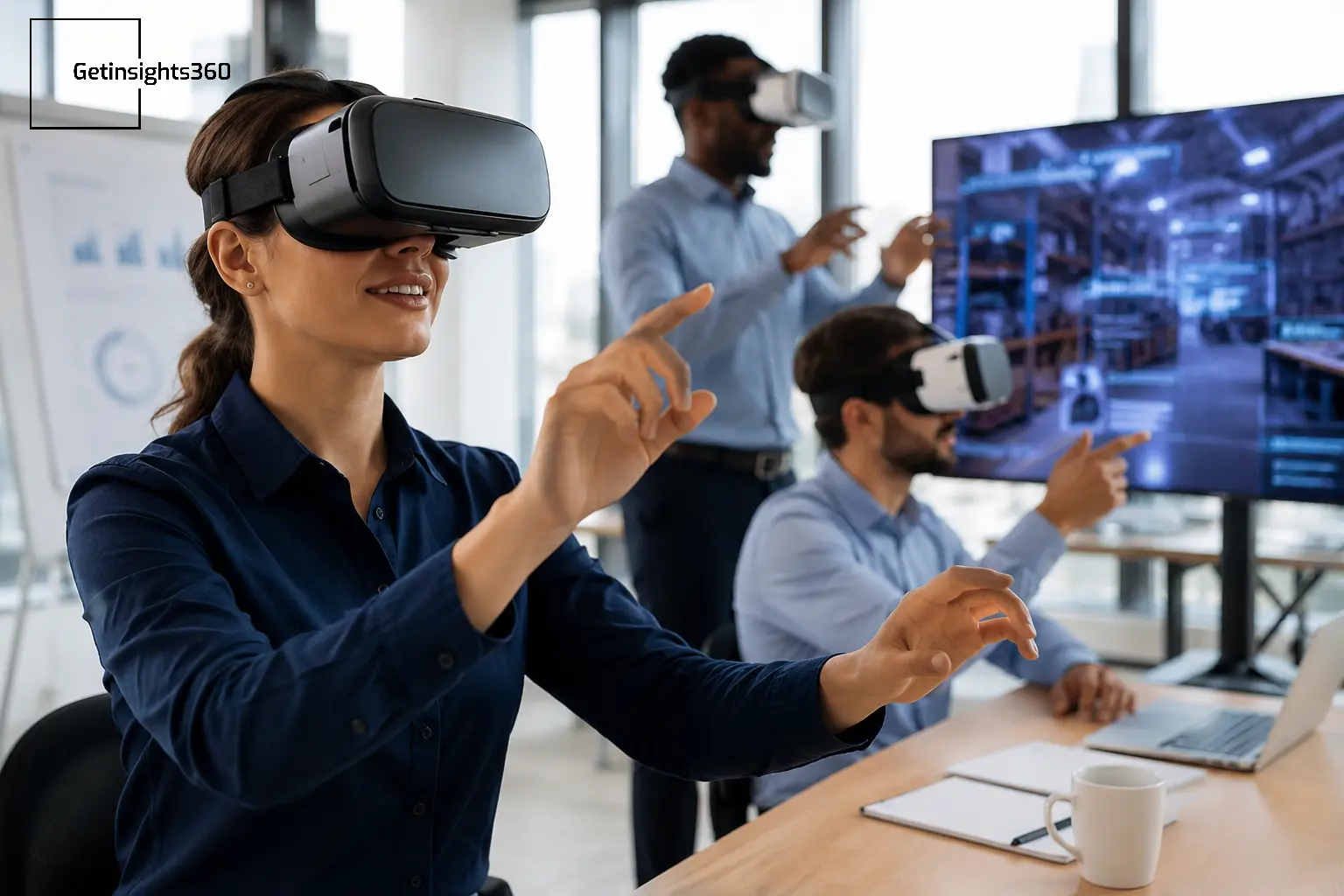
Employee training has evolved significantly over the past decade. Traditional classroom sessions, lengthy presentations, and printed manuals are no longer enough to meet the demands of modern workplaces. Companies today need faster, safer, and more engaging ways to train employees, especially in industries where practical experience matters most. This is where VR Training for Employees is transforming workplace learning.
Virtual reality technology is helping organizations create interactive learning environments where employees can practice tasks, improve skills, and gain hands-on experience without real-world risks. From healthcare and manufacturing to retail and logistics, businesses across industries are adopting VR-based learning programs to improve employee performance and reduce training costs.
In this blog, we will explore how VR training works, its major benefits, real-world applications, challenges, and why it is becoming a key part of the future workplace.
What Is VR Training for Employees?
VR Training for Employees refers to the use of virtual reality technology to simulate workplace environments and training scenarios. Employees wear VR headsets and interact with computer-generated environments that closely resemble real-world situations.
Unlike traditional learning methods, virtual reality allows employees to actively participate in training instead of simply watching videos or reading instructions. This interactive experience improves engagement and helps employees retain information more effectively.
For example, a warehouse employee can learn how to operate equipment safely through a VR simulation before handling actual machinery. Similarly, healthcare workers can practice medical procedures in a risk-free virtual environment.
This approach to virtual reality employee training is becoming increasingly popular because it combines practical learning with immersive technology.
How VR Training Works
Workplace VR training usually involves three key components:
1. VR Hardware
Companies use different devices depending on their training requirements and budget. Popular devices often included in the list of VR headsets for workplace learning are Meta Quest, HTC Vive, Pico, and Microsoft HoloLens. These headsets help businesses create realistic training environments for employees across industries such as healthcare, manufacturing, and retail.
2. Training Software
Companies use customized VR applications designed for specific job roles, tasks, or industries. These applications simulate real workplace conditions and training scenarios.
3. Interactive Learning
Employees interact with objects, tools, and virtual coworkers inside the simulation. They can repeat tasks multiple times until they become comfortable and confident.
Because the training feels realistic, employees often learn faster compared to traditional methods.
Why Companies Are Adopting VR Training
Businesses are investing heavily in workplace VR training because it solves several challenges associated with conventional employee learning programs.
Better Engagement
Traditional training sessions can become repetitive and difficult to follow. Employees may lose focus during long presentations or online modules.
VR creates a more engaging experience by allowing learners to actively participate. Employees can move around, interact with equipment, and complete tasks in a simulated environment. This hands-on approach keeps learners interested and improves concentration.
Improved Knowledge Retention
Studies have shown that immersive learning experiences help people remember information more effectively. Employees who practice tasks in VR are more likely to retain knowledge because they learn through experience rather than passive observation.
This makes immersive employee training highly effective for complex or technical job roles.
Safer Training Environment
In industries like construction, manufacturing, aviation, and healthcare, training employees in real-world environments can be risky and expensive.
VR allows employees to practice dangerous tasks safely without the possibility of injury or equipment damage. Workers can learn how to handle emergencies, operate machinery, or follow safety procedures without facing real hazards.
Reduced Training Costs
Although VR systems require an initial investment, they can reduce long-term training expenses. Companies spend less on physical training setups, travel, equipment maintenance, and instructor-led sessions.
Employees can also repeat training modules multiple times without additional operational costs.
Faster Skill Development
Employees often learn faster through practical experience. VR simulations allow learners to practice real tasks repeatedly until they become confident. This helps reduce onboarding time and improves productivity.
Real-World Applications of VR Training for Employees
Many industries are already using VR training programs to improve workforce development.
Manufacturing Industry
Manufacturing companies use VR to train workers on machinery operations, assembly processes, and workplace safety.
New employees can practice operating equipment in a virtual environment before entering the factory floor. This reduces workplace accidents and improves operational efficiency.
Many organizations also use VR simulation training to teach workers how to respond during equipment failures or emergency situations.
Healthcare Sector
Hospitals and medical institutions use VR to train doctors, nurses, and medical students.
Healthcare professionals can practice surgeries, patient care procedures, and emergency response techniques in realistic simulations. Since mistakes in virtual environments do not harm real patients, employees gain valuable experience safely.
VR training also helps healthcare workers improve communication and decision-making skills under pressure.
Retail and Customer Service
Retail businesses use VR training to prepare employees for customer interactions, store management, and conflict resolution.
Employees can experience different customer scenarios in virtual environments and learn how to respond professionally. This improves customer service quality and employee confidence.
Logistics and Warehousing
Warehouse and logistics companies are increasingly adopting VR-based learning programs.
Employees can learn inventory management, forklift operations, safety procedures, and order-picking techniques through simulations. This type of workplace VR training helps reduce errors and improves efficiency.
Many logistics companies are also combining VR learning solutions with augmented reality in warehouse operations to improve productivity and reduce errors. While VR helps employees practice warehouse tasks in simulated environments, augmented reality tools can provide real-time navigation, inventory updates, and picking instructions during actual operations.
Corporate Office Training
Large organizations use VR corporate training for leadership development, team collaboration, communication skills, and diversity training.
For example, managers can practice difficult conversations with employees in virtual scenarios. HR teams can use VR simulations to teach workplace ethics and inclusion policies in a more engaging way.
Benefits of Immersive Employee Training
Higher Employee Confidence
Employees feel more confident when they can practice tasks multiple times before performing them in real situations.
This is especially valuable for high-pressure roles where mistakes can be costly or dangerous.
Consistent Training Experience
Traditional training quality may vary depending on instructors or locations. VR training delivers the same learning experience to every employee, ensuring consistency across the organization.
Remote Learning Capabilities
Companies with multiple office locations can use VR systems to train employees remotely. This is particularly useful for global organizations and hybrid work environments.
Employees can complete training modules from different locations while still receiving interactive learning experiences.
Better Performance Tracking
Modern VR platforms can track employee performance during training sessions. Organizations can measure completion rates, identify weak areas, and personalize learning programs based on employee progress.
Challenges of VR Training
Despite its benefits, VR training also comes with certain challenges.
Initial Investment Costs
Implementing VR systems requires spending on hardware, software development, and employee onboarding. Smaller businesses may find the initial investment expensive.
However, many companies view VR as a long-term investment that reduces future training costs.
Technology Learning Curve
Some employees may initially feel uncomfortable using VR equipment, especially those unfamiliar with advanced technology.
Organizations need proper onboarding and support to help employees adapt to virtual learning systems.
Content Development
Creating realistic VR training modules requires time and expertise. Businesses often need customized content tailored to their industry and job roles.
Future of VR Training for Employees
The future of employee learning is expected to become even more immersive and technology-driven.
As VR hardware becomes more affordable and advanced, more businesses will adopt virtual learning solutions. Artificial intelligence and data analytics will also improve VR systems by creating personalized learning experiences for employees.
Experts predict that future virtual reality employee training programs will include advanced simulations with real-time feedback, multilingual support, and AI-powered virtual instructors.
The integration of augmented reality (AR), mixed reality (MR), and VR technologies may further transform workplace learning across industries.
How Businesses Can Successfully Implement VR Training
Organizations planning to adopt VR training should follow a strategic approach.
Identify Training Needs
Businesses should first identify which areas would benefit most from immersive learning. High-risk tasks, technical operations, and soft skills training are ideal starting points.
Start With Small Pilot Programs
Instead of launching large-scale programs immediately, companies can begin with smaller pilot projects to evaluate effectiveness and employee response.
Choose User-Friendly Technology
Selecting easy-to-use VR hardware and software improves employee adoption rates and training success.
Measure Training Outcomes
Organizations should track performance improvements, safety records, employee feedback, and training completion rates to evaluate ROI.
Final Thoughts
VR Training for Employees is reshaping the future of workplace learning by making training more engaging, interactive, and effective. Businesses are no longer limited to traditional learning methods that rely heavily on lectures and manuals.
Through immersive simulations, employees can safely practice real-world tasks, improve skills faster, and gain confidence in their roles. From healthcare and manufacturing to retail and corporate environments, companies are discovering the value of immersive employee training and advanced learning technologies.
Although challenges such as implementation costs and content development still exist, the long-term benefits of VR-based learning are difficult to ignore. As technology continues to evolve, VR corporate training and VR simulation training will likely become standard components of employee development programs worldwide.
Organizations that invest early in workplace innovation and employee learning technologies may gain a significant advantage in productivity, safety, and workforce performance in the years ahead.
💡 Stay tuned to Getinsights360 for more insights and updates on emerging technologies across AI, ML, AR/VR, Blockchain, RPA, IoT, and Cybersecurity
FAQs
VR training for employees uses virtual environments to help workers practice tasks, improve skills, and gain hands-on workplace experience safely.
Workplace VR training improves engagement, increases knowledge retention, and allows employees to learn through realistic interactive simulations and experiences.
Manufacturing, healthcare, logistics, retail, aviation, and corporate sectors widely use virtual reality employee training for skill development programs.
Immersive employee training improves confidence, reduces workplace risks, enhances productivity, and helps employees learn complex tasks more effectively.
Popular devices used for VR corporate training include Meta Quest, HTC Vive, Pico headsets, and Microsoft HoloLens systems.