 By Madhavan A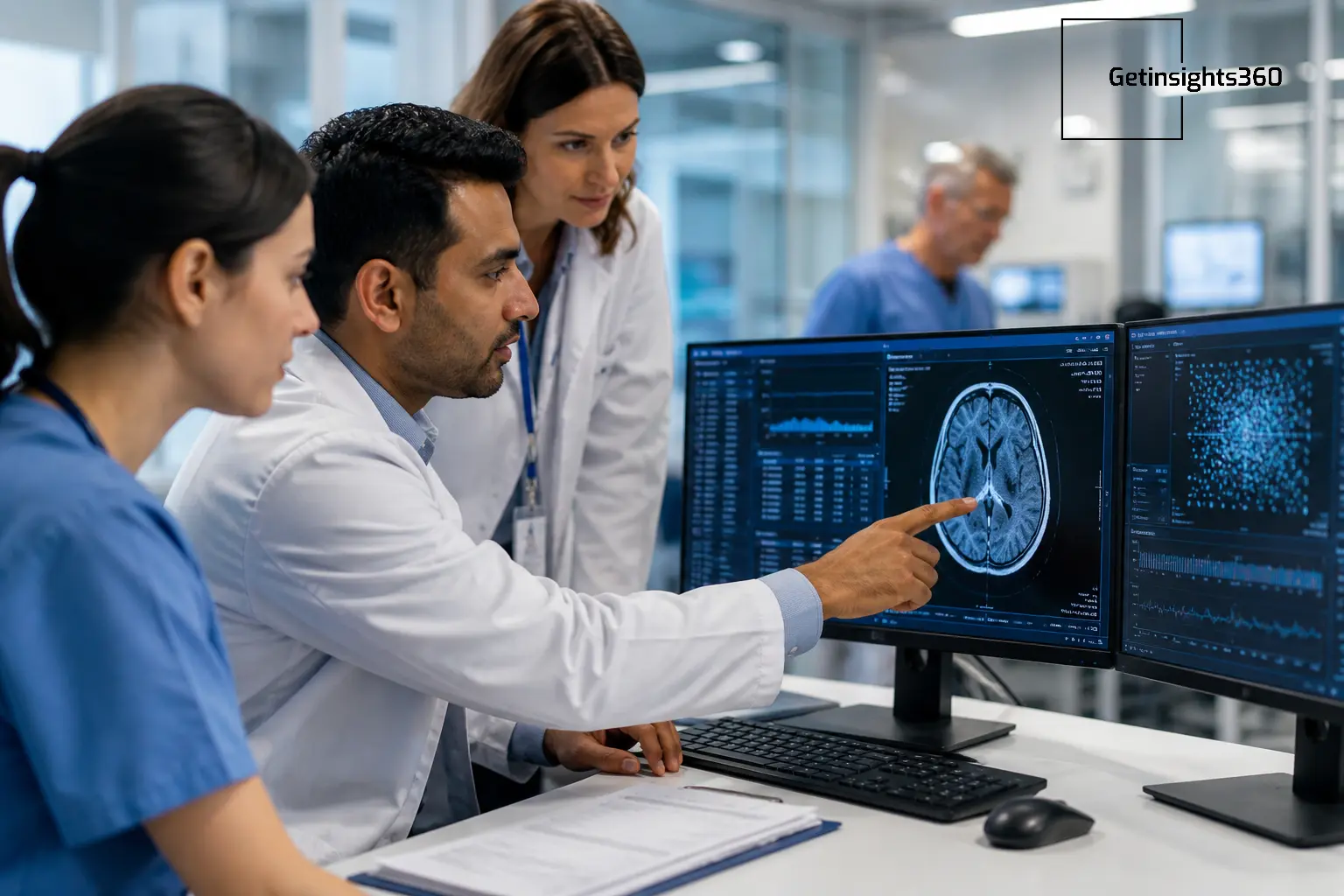
Introduction
The healthcare industry is undergoing a major transformation driven by data and advanced technologies. With the rapid increase in electronic health records, medical imaging, wearable devices, and genomic data, healthcare systems now generate massive volumes of information every day. However, collecting data alone is not enough—the real value lies in extracting meaningful insights that can improve patient outcomes and operational efficiency.
This is where machine learning plays a critical role. By analyzing large datasets, identifying patterns, and making predictions, machine learning is helping healthcare providers deliver faster diagnoses, personalized treatments, and more efficient care. From early disease detection to drug discovery and hospital automation, machine learning is reshaping the future of healthcare.
In this article, we will explore the most important machine learning use cases in healthcare, along with real-world examples, benefits, challenges, and future trends.
What is Machine Learning in Healthcare?
Machine learning is a subset of artificial intelligence that enables systems to learn from data and improve performance without being explicitly programmed. In healthcare, machine learning algorithms analyze medical data such as patient records, lab results, and imaging scans to support clinical decisions and automate processes.
For example, machine learning models can detect early signs of diseases like cancer by analyzing medical images, often with accuracy comparable to experienced doctors. This clearly highlights some of the core Benefits of Machine Learning, especially in improving diagnostic speed and accuracy.
How Machine Learning Works in Healthcare
Machine learning in healthcare follows a structured process:
1. Data Collection
Data is gathered from multiple sources such as electronic health records (EHRs), diagnostic images, wearable devices, and clinical trials.
2. Data Processing and Cleaning
The collected data is cleaned, structured, and prepared for analysis to ensure accuracy and consistency.
3. Model Training
Machine learning algorithms are trained using historical data to identify patterns and relationships.
4. Prediction and Insights
Once trained, the model can predict outcomes, assist in diagnosis, or recommend treatments.
5. Continuous Improvement
Models improve over time as they are exposed to more data and feedback.
This pipeline allows healthcare systems to move from reactive care to predictive and preventive care.
Top Machine Learning Use Cases in Healthcare
1. Disease Diagnosis and Early Detection
Machine learning is transforming how diseases are identified, especially at early stages when treatment is most effective. Traditional diagnosis often depends on human interpretation, which can vary due to fatigue or experience. Machine learning brings consistency by analyzing large volumes of medical data quickly and accurately.
How it works:
Advanced algorithms, particularly deep learning models, are trained on massive datasets of medical images such as X-rays, MRIs, and CT scans. These models learn to recognize patterns linked to diseases. For instance, systems developed by Google DeepMind can detect early signs of breast cancer with higher accuracy than many traditional screening methods.
Early detection dramatically improves survival rates—breast cancer survival can exceed 90% when identified early. In practice, this means patients can begin treatment sooner, reducing complications and lowering long-term healthcare costs.
2. Predictive Analytics for Patient Outcomes
Machine learning is enabling healthcare providers to anticipate medical issues before they become critical. Instead of reacting after a condition worsens, hospitals can now predict risks and act early.
How it works:
Models are trained on historical patient data, including vital signs, lab reports, demographics, and previous admissions. By identifying hidden patterns, these systems can predict outcomes such as readmission risk or likelihood of complications. Platforms like those from Epic Systems use such models to alert doctors about high-risk patients.
Hospitals using predictive analytics have seen readmissions drop by up to 20%. This proactive approach allows doctors to intervene earlier, improving patient outcomes and optimizing hospital resources.
3. Personalized Treatment Plans
Not every patient responds the same way to a treatment. Machine learning helps create personalized treatment plans tailored to individual patients, a concept known as precision medicine.
How it works:
Algorithms analyze a combination of genetic data, medical history, lifestyle factors, and treatment responses. By comparing this data with large datasets, the system recommends the most effective treatment option. Companies like Tempus apply machine learning to match cancer patients with targeted therapies.
In many cases, personalized treatments have improved effectiveness by 30–50%. This means patients receive care that is better suited to their condition, reducing side effects and improving recovery rates.
4. Drug Discovery and Development
Developing new drugs is one of the most time-consuming and expensive processes in healthcare. Machine learning is helping researchers speed up this process significantly.
How it works:
Machine learning models analyze biological data, chemical compounds, and clinical trial results to identify promising drug candidates. These systems can simulate how different compounds interact with the human body. For example, Insilico Medicine has used AI to identify potential drug molecules in a fraction of the usual time.
Traditional drug development can take over a decade, but machine learning can reduce this timeline by up to 60%. Faster development means patients gain quicker access to life-saving treatments.
5. Medical Imaging Analysis
Medical imaging produces large volumes of data that require careful analysis. Machine learning improves both the speed and accuracy of interpreting these images.
How it works:
Deep learning models are trained to scan and analyze imaging data, detecting abnormalities such as tumors, fractures, or internal bleeding. Solutions from Aidoc help radiologists prioritize critical cases in real time.
AI-assisted imaging can improve diagnostic accuracy by up to 30% in certain scenarios. This helps doctors make faster decisions, especially in emergencies where time is critical.
6. Virtual Health Assistants and Chatbots
Machine learning-powered virtual assistants are making healthcare more accessible by handling routine interactions between patients and providers.
How it works:
Using natural language processing, these systems understand patient queries, assess symptoms, and provide guidance or schedule appointments. Platforms like Babylon Health offer AI-based consultations through mobile apps.
These tools can manage up to 70–80% of basic patient interactions. As a result, healthcare providers can focus more on complex cases while patients receive quick responses and support anytime.
7. Remote Patient Monitoring
Machine learning enables continuous monitoring of patients outside hospital settings, which is especially useful for managing chronic diseases.
How it works:
Wearable devices collect real-time data such as heart rate, blood pressure, and oxygen levels. Machine learning models analyze this data to detect unusual patterns and trigger alerts when necessary.
Studies show remote monitoring can reduce hospitalizations by up to 25% for chronic conditions. This allows patients to receive timely care without frequent hospital visits, improving convenience and quality of life.
8. Robotic Surgery Assistance
Machine learning is enhancing robotic surgery by improving precision and decision-making during complex procedures.
How it works:
Surgical robots use machine learning algorithms trained on past procedures to guide movements and assist surgeons in real time. Systems like da Vinci Surgical System enable minimally invasive surgeries with greater accuracy.
Robotic-assisted surgeries often result in smaller incisions, less blood loss, and faster recovery times. This leads to better outcomes and shorter hospital stays.
9. Clinical Decision Support Systems
Doctors often need to make quick decisions based on large amounts of data. Machine learning helps by providing data-driven recommendations.
How it works:
Clinical decision support systems analyze patient data alongside medical research and treatment guidelines. They suggest possible diagnoses or treatment options to assist doctors.
These systems have been shown to reduce diagnostic errors and improve treatment accuracy. As a result, patients receive more reliable and consistent care.
10. Fraud Detection in Healthcare
Healthcare fraud, especially in insurance claims, leads to significant financial losses each year. Machine learning helps detect and prevent such activities.
How it works:
Algorithms analyze billing data and claims history to identify unusual patterns or suspicious behavior. For example, Optum uses AI to detect fraudulent claims.
Machine learning systems can identify fraud with higher accuracy than traditional rule-based systems, saving billions in losses and improving system integrity.
11. Administrative Workflow Automation
Administrative tasks consume a large portion of healthcare resources. Machine learning helps automate these repetitive processes.
How it works:
Algorithms process structured and unstructured data to automate billing, documentation, appointment scheduling, and patient record management.
Automation can reduce administrative workload by up to 30–40%. This allows healthcare staff to spend more time focusing on patient care rather than paperwork.
12. Epidemic Prediction and Public Health Management
Machine learning plays a crucial role in predicting disease outbreaks and supporting public health decisions.
How it works:
Models analyze data from multiple sources such as travel patterns, climate conditions, and population density to predict the spread of diseases. During the COVID-19 pandemic, platforms like BlueDot used AI to detect early outbreak signals.
Early predictions enable governments and healthcare organizations to respond faster, allocate resources effectively, and reduce the overall impact of epidemics.
Benefits of Machine Learning in Healthcare
For Doctors
- Faster and more accurate diagnoses
- Better decision support
- Reduced workload through automation
For Hospitals
- Improved operational efficiency
- Reduced costs
- Enhanced resource management
For Patients
- Early disease detection
- Personalized treatment
- Improved overall care experience
Challenges and Risks of Machine Learning in Healthcare
Despite its advantages, machine learning in healthcare faces several challenges:
Data Privacy and Security
Healthcare data is highly sensitive, and protecting patient information is critical.
Data Quality Issues
Incomplete or biased data can lead to inaccurate predictions.
Algorithm Bias
Machine learning models may produce biased results if trained on unbalanced datasets.
High Implementation Costs
Developing and deploying machine learning systems requires significant investment.
Regulatory and Ethical Concerns
Healthcare systems must comply with strict regulations and ethical standards.
Addressing these challenges is essential for the successful adoption of machine learning in healthcare.
Future of Machine Learning in Healthcare
The future of machine learning in healthcare looks highly promising, with continuous advancements shaping the industry:
Integration with IoT Devices
Wearables and connected devices will provide real-time health monitoring.
Real-Time Diagnostics
Machine learning will enable instant diagnosis and treatment recommendations.
Growth of Personalized Medicine
Treatments will become increasingly tailored to individual patients.
AI-Powered Hospitals
Hospitals will adopt fully automated systems for operations and patient care.
Advanced Predictive Healthcare
Healthcare will shift from reactive to preventive, reducing disease burden.
By 2026 and beyond, machine learning is expected to become a core component of modern healthcare systems.
Key Takeaways
- Machine learning is transforming healthcare through data-driven insights.
- It enables early disease detection, personalized treatment, and operational efficiency.
- Real-world applications range from diagnosis and drug discovery to fraud detection and epidemic prediction.
- Despite challenges like data privacy and costs, the benefits outweigh the risks.
- The future of healthcare will be heavily driven by machine learning and AI technologies.
💡 Stay tuned to Getinsights360 for more insights and updates on emerging technologies across AI, ML, AR/VR, Blockchain, RPA, IoT, and Cybersecurity
FAQs
Machine learning is used for diagnosis, predictive analytics, personalized treatment, drug discovery, and automating administrative tasks in healthcare systems.
Examples include cancer detection through imaging, predictive models for patient outcomes, and AI-powered virtual health assistants.
Machine learning can be safe when proper data privacy, security measures, and regulatory guidelines are followed.
It improves accuracy, reduces costs, enhances patient care, and enables early disease detection.
The future includes real-time diagnostics, personalized medicine, AI-powered hospitals, and integration with wearable health devices.